





News

Amendment of the Law on Consumer Rights
On the 6th of October 2022 Sejm passed an amendment of the Law on Consumer Rights and certain other laws. The amendment implements Directive 2019/770 of the European Parliament and of the Council of 20 May 2019 on certain aspects concerning contracts for the supply of digital content and digital services as well as Directive 2019/771 of the European Parliament and of the Council of 20 May 2019 on certain aspects concerning contracts for the sale of goods.

Draft amendment to the Law on Wind Power Investments
On July 14th, 2022 the Council of Ministers referred to the Sejm a draft law amending the Law on Wind Power Investments and certain other laws. The draft is related to the current so-called “10h” rule, which in practice almost completely blocks the establishment of new wind power plants in Poland.

Successful negotiation of a contract worth 35 million EUR
In August, the lawyers of the law firm Babiaczyk, Skrocki and Partners, representing one of the firm’s clients – a company in the construction industry specializing in the construction of storage and industrial facilities – successfully brought to a conclusion negotiations on a construction contract implemented in the “design and build” mode, covering a facility whose value, including the installed technology, exceeds EUR 100 million.

Success in the proceedings concerning a permit for the construction of a power grid
In August, administrative proceedings for a permit to reconstruct a power grid ended, where the law firm Babiaczyk, Skrocki and Partners represented one of its clients – a company implementing numerous development projects throughout Poland.
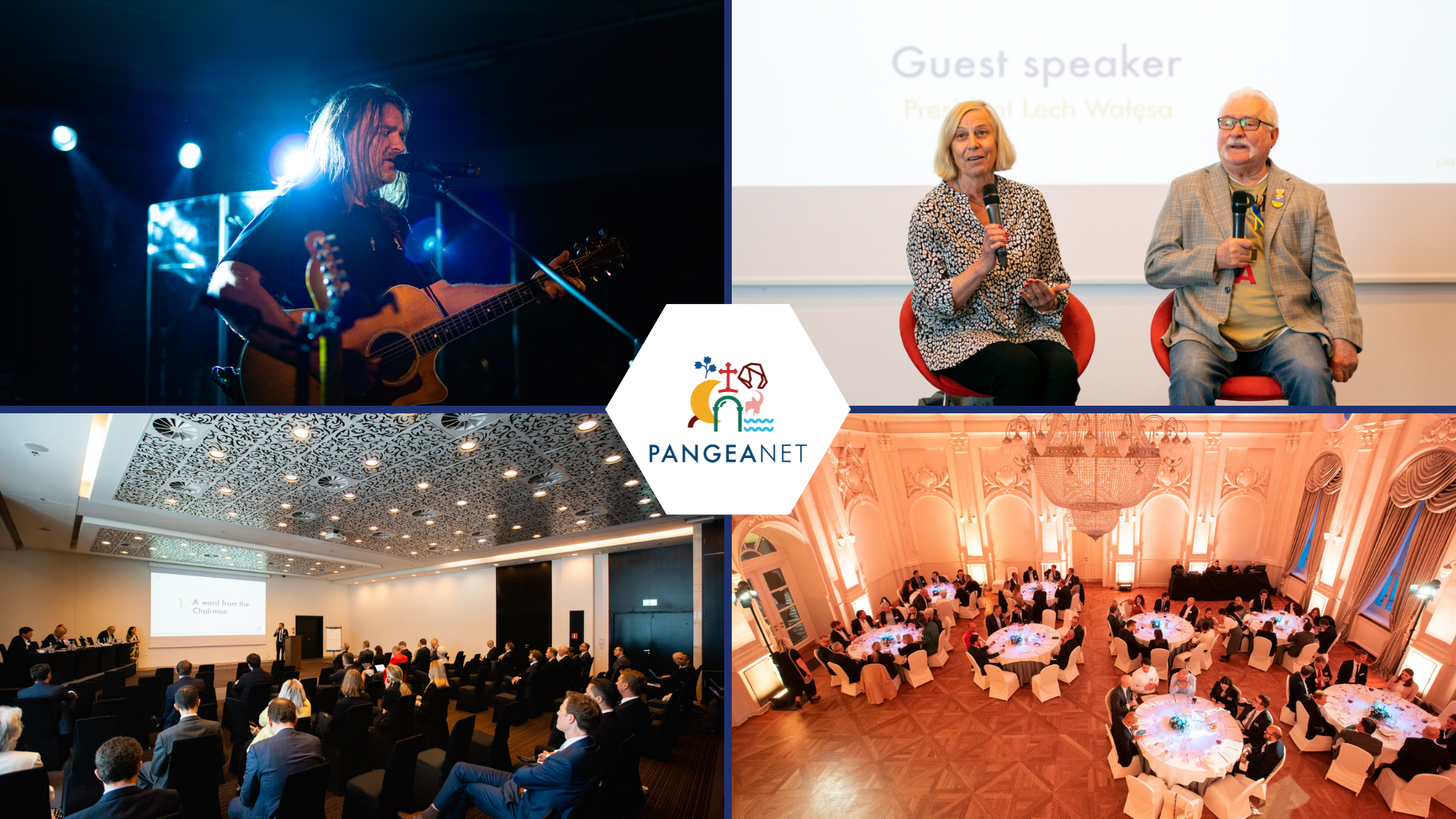
PANGEA NET Conference in Poznan
Between June 9 and 11 we had the honor to organize the annual conference of the international law firms network PANGEA NET and welcome over 70 guests from 20 different countries. It was the first on-site meeting of the representatives of the associated law firms in over 2 years.

Supreme Court resolution on limited use areas
On 29 April 2022, in a case under III CZP 81/22, the Supreme Court, answering a legal question whether the mere introduction of a limited use area due to the impossibility of maintaining environmental protection standards against noise in connection with functioning of an airport under the provision of Article 135 para. 1 of the Environmental Protection Law may be regarded as a limitation of the manner of using real property, constituting an independent and sufficient basis for a claim for compensation for a reduction in the value of real property, the Court held that it did not and that only specific orders, prohibitions and recommendations addressed to owners of real property located in the limited use area may be regarded as limiting the manner of using real property.